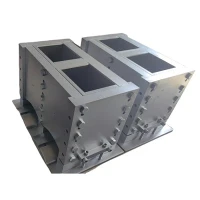
Diaphragm filter presses are widely recognized as a versatile and efficient solution in the filtration industry, playing a pivotal role in environmental protection and wastewater treatment. Their unique diaphragm design enables superior dewatering performance, making them a staple product for manufacturers. Below is a detailed breakdown of their working principles, core advantages, and critical differences between diaphragm types.
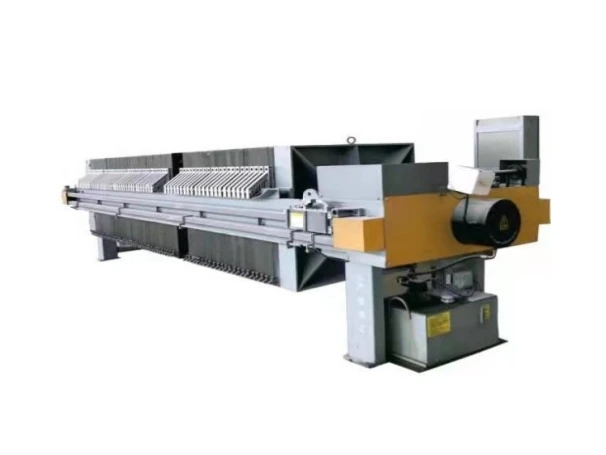
How Diaphragm Filter Presses Work
A diaphragm filter press features elastic diaphragms installed between filter cloth panels. After slurry feeding is completed, high-pressure gas or fluid is injected into the diaphragm chambers. The diaphragms then expand, applying pressure to the filter cakes and achieving deep dewatering.
Key Advantages Over Conventional Models (e.g., Plate-and-Frame or Box Filters):
- Lower Moisture Content: Post-filtration compression further squeezes the cake, reducing moisture by up to 30%.
- Enhanced Efficiency: Eliminates the need for secondary dewatering equipment.
- Cost Savings: Reduced energy consumption and labor requirements improve operational efficiency.
Single vs. Double Diaphragm Systems
Single Diaphragm:
Provides basic pressure application but limits compression space.
Suitable for general applications with moderate dewatering requirements.
Double Diaphragm:
Features two movable diaphragms, enabling sequential or simultaneous compression.
Achieves lower cake moisture content (ideal for high-efficiency dewatering in mining, chemical, and sludge treatment).
Material Comparisons: PP vs. Rubber vs. Steel-Rubber Diaphragms
1. PP (Polypropylene) Diaphragms
Pros:
Lightweight, corrosion-resistant, and cost-effective for low-pressure applications (<8 kg/cm²).
Cons:
Prone to deformation and "diaphragm bulging" (air pockets) under high pressure (>8 kg/cm²).
Risk of slurry leakage if overpressurized.
2. Steel-Rubber Composite Diaphragms
Pros:
High-pressure resistance (up to 25 kg/cm²) with minimal deformation.
Excellent durability in corrosive environments (e.g., acidic/alkaline slurries).
"Non-spraying" design prevents slurry leakage.
Cons: Higher upfront cost compared to PP.
3. Rubber Diaphragms
Pros:
Superior elasticity and sealing performance due to one-piece molding.
Better thermal resistance and longer service life in high-temperature applications.
Cons: Less suitable for highly abrasive slurries.
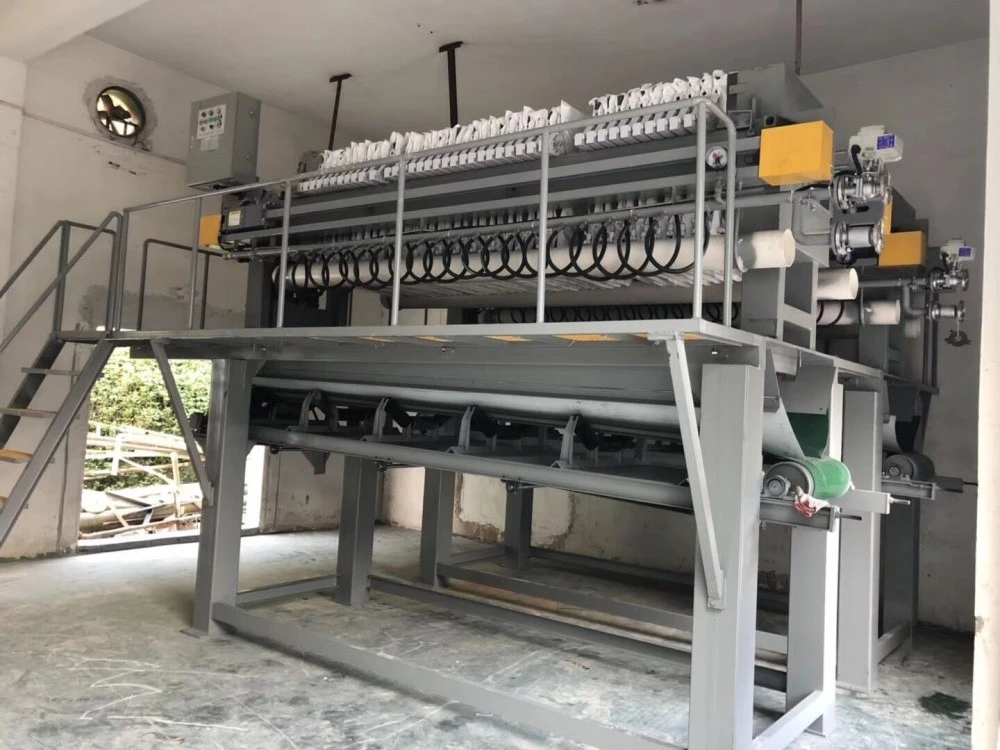
Key Selection Guidelines
Pressure Requirements:
Use steel-rubber diaphragms for high-pressure scenarios (e.g., metal hydroxide dewatering).
Opt for PP diaphragms in low-pressure, corrosion-resistant applications.
Cake Moisture Targets:
Choose double-diaphragm systems for ultra-low moisture outputs.
Slurry Properties:
For abrasive or high-viscosity slurries, prioritize steel-rubber or reinforced PP designs.