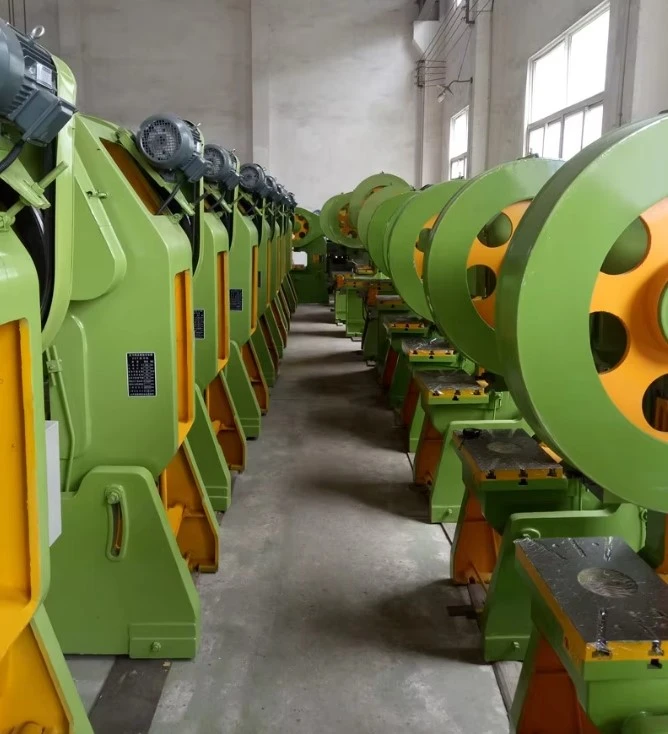
A punch press, also known as a stamping press, is a machine tool used to shape or cut material, typically sheet metal, by applying pressure to a die tool. Here's a detailed explanation of how it works, covering its components, operational principles, and working process:
Key Components
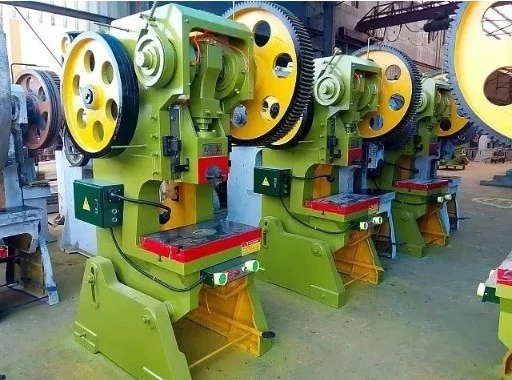
Frame: The rigid structure (often cast iron) that supports all components, ensuring stability during high-force operations. Common types include C-frame (open-front for better access) and straight-side (more rigid for heavy loads).
Ram/Punch Holder: A movable beam that holds the punch(a hardened steel tool with the desired shape, e.g., a hole or bend). The ram delivers the force to the workpiece.
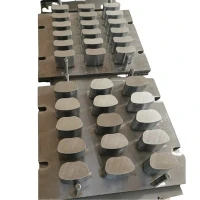
Die: A stationary tool mounted on the worktable, with a cavity that matches the punch. It shapes the material (e.g., cutting, bending) and supports the workpiece.
Power Source: Drives the ram's motion. Most presses use either:
*Mechanical systems: A motor powers a flywheel (storing rotational energy), which transfers energy via a clutch to a crankshaft, converting rotation to linear motion (ram movement).
*Hydraulic systems: Hydraulic cylinders, powered by pumps, generate force to move the ram.
Clutch & Brake: The clutch engages the flywheel to the crankshaft to start the stroke; the brake stops the ram after impact.
Controls: Operators use buttons, levers, or CNC (Computer Numerical Control) systems to initiate strokes, adjust speed, and set stroke length.
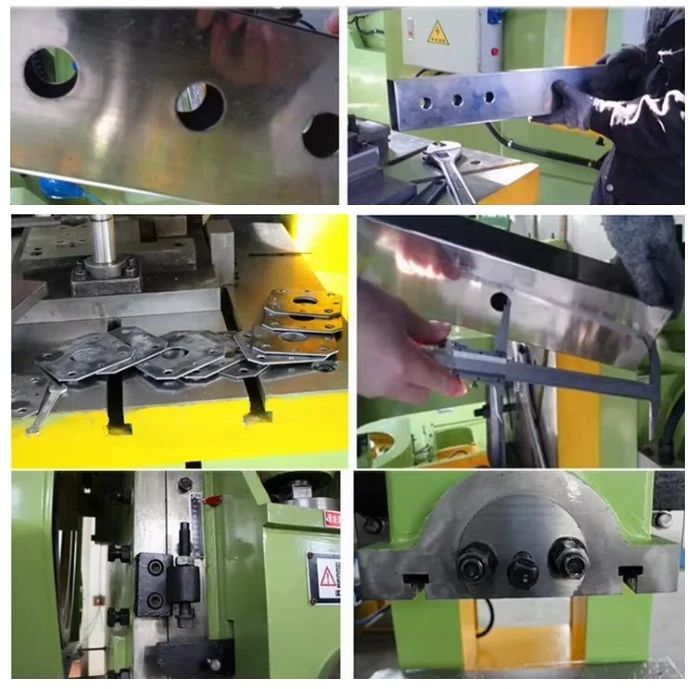
Working Principle
The core principle of a punch press is to use mechanical force to deform or cut material through the interaction of the punch and die. The process can be broken down into several stages:
Step 1: Material Preparation and Positioning
The material (e.g., sheet metal, plastic, or paper) is loaded into the press's feeding system.
The feeding system aligns the material precisely under the punch and die, ensuring the operation is performed in the correct location.
Step 2: Ram Activation and Force Application
The power source drives the ram downward, causing the punch to move toward the die.
As the punch contacts the material, it applies high pressure, which:
* For Cutting and Blanking: The punch shears through the material, separating a piece (e.g., a hole or a shaped part) from the sheet.
* For Bending/Forming: The punch deforms the material into the die's shape, creating bends, folds, or embossed features.
Step 3: Material Deformation or Cutting
* Cutting (e.g., punching a Hole): The punch's sharp edge pushes through the material, and the die provides a counterforce, causing the material to fracture along the punch's outline. The scrap material (e.g., the punched-out hole) falls through the die.
* Forming (e.g., Bending or Stamping): The material is pressed between the punch and die without being cut, altering its shape plastically. For example, a punch may bend metal into a U-shape by fitting into a die with a corresponding cavity.
Step 4: Ram Return and Part Ejection
* After the punch reaches the bottom of its stroke, the ram retracts upward, lifting the punch away from the die.
* The formed or cut part is either ejected from the die by a built-in mechanism (e.g., a stripper plate) or manually removed.
* The feeding system advances the material for the next cycle, if needed, allowing continuous operation (e.g., in mass production).
Types of Punch Presses
* Mechanical Presses: Fast, high-force machines (up to 10,000+ tons) with adjustable stroke lengths. Ideal for high-volume production (e.g., automotive parts).
* Hydraulic Presses: Offer consistent force and speed control, making them suitable for delicate or variable-thickness materials (e.g., aerospace components).
* CNC Punch Presses: Computer-controlled, with automated tool changers for complex shapes and high precision.
Types of Punch Press Operations
Punch presses can perform various tasks based on the die design:
* Blanking: Cutting out a specific shape (e.g., a washer) from the material.
* Punching/Hole Making: Creating holes in the material.
* Bending: Forming bends or angles in the material.
* Embossing/Coining: Creating raised or recessed designs by deforming the material.
* Drawing: Stretching material into a three-dimensional shape (e.g., a cup).
* Trimming: Removing excess material from a pre-formed part.
Safety Considerations
Punch presses operate with high force and speed, so safety features are crucial:
Emergency stop buttons, safety guards around the punch area, and interlocks to prevent accidental operation.
Automated feeding systems to minimize human contact with the working area.
In summary, a punch press is a versatile machine that uses mechanical force to shape or cut materials through the precise interaction of a punch and die, enabling efficient and accurate manufacturing across various industries.