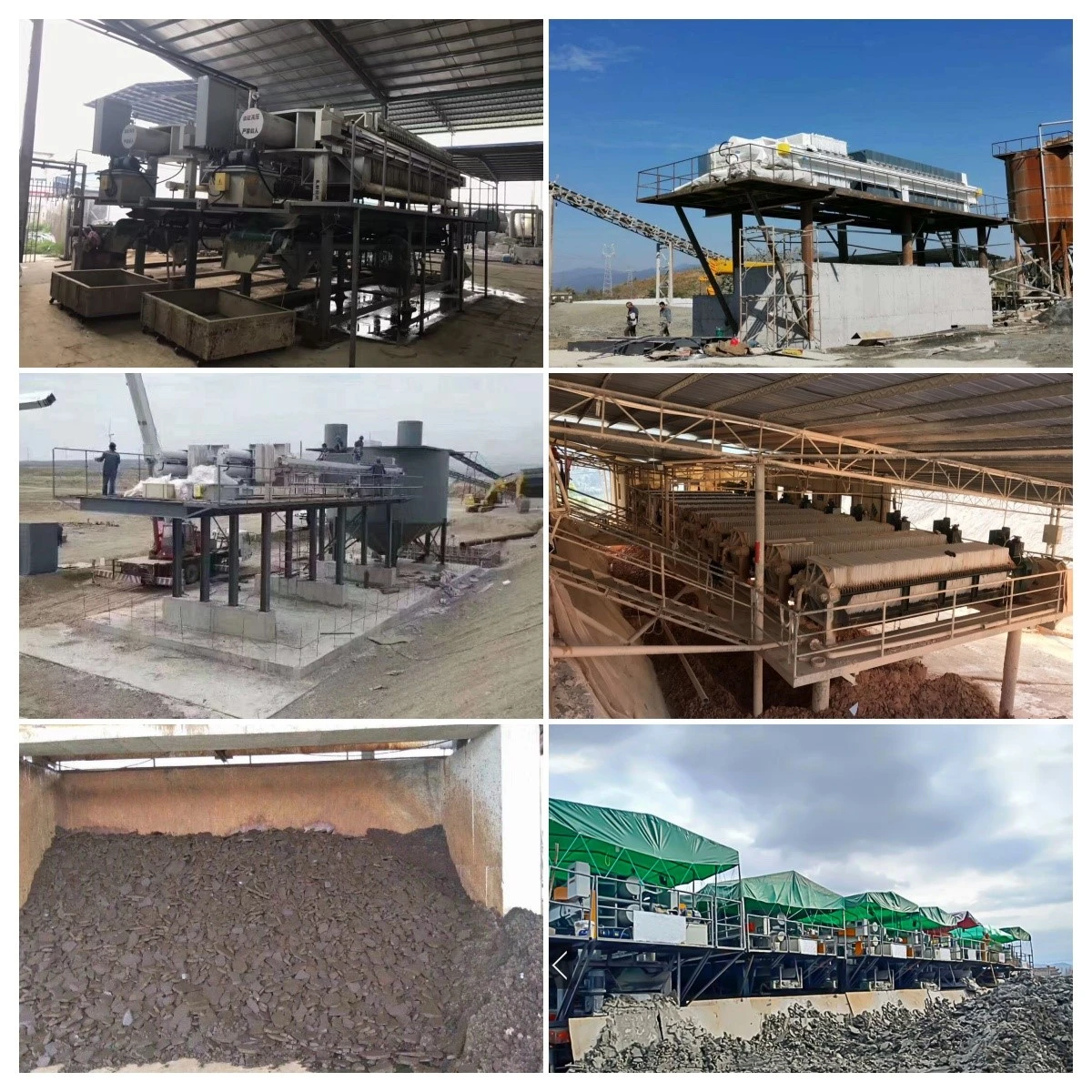
Sludge is an unavoidable by-product of municipal wastewater treatment and various industrial processes. It typically contains a high percentage of water, making it bulky, costly to handle, and potentially harmful to the environment if not treated properly. A sludge filter press is a highly effective dewatering solution used across many industries to reduce sludge volume and moisture content. But what types of sludge are best handled by a filter press? Let's take a closer look.
1. Municipal Wastewater Sludge
Municipal wastewater treatment plants generate sludge that is rich in organic matter and microorganisms. This type of sludge usually has good compressibility and dewatering properties. A filter press applies mechanical pressure to efficiently remove water from the sludge, significantly lowering its moisture content. By using the right model and appropriate flocculants, treatment plants can improve dewatering efficiency, reduce disposal costs, and achieve more sustainable operations.
2. Industrial Sludge
Industrial sludge varies greatly depending on the source-it can contain heavy metals, oils, chemicals, and other complex compounds. Traditional drying methods are often insufficient for such sludge due to its composition. Filter presses, however, offer adjustable settings such as belt tension and pressing time to accommodate different sludge types. This makes them ideal for industries like chemical manufacturing, pharmaceuticals, electroplating, and more, where reliable and efficient sludge dewatering is critical.
3. Municipal and Dredging Sludge
Sludge from municipal drainage systems and river or lake dredging projects typically has a high moisture content and complex composition. These materials are challenging to dewater. Filter presses, with their high-pressure and multi-stage filtration capabilities, offer an effective solution. By significantly reducing the water content, they make sludge easier and more cost-effective to transport and dispose of.
4. Organic Sludge from Food Processing and Agriculture
Food processing and agricultural operations often generate organic sludge such as animal manure and crop residues. Although rich in nutrients and potentially valuable for composting or bioenergy production, this sludge usually has very high water content. Filter presses help concentrate the solids by removing excess water, making it easier to handle and process for resource recovery applications like fermentation, composting, or biogas production.
Conclusion
Sludge filter presses are versatile and highly efficient machines that play a crucial role in modern wastewater and sludge management. From municipal to industrial, and from dredging to agricultural applications, filter presses help reduce sludge volume, lower transportation costs, and minimize environmental impact. Choosing the right filter press and optimizing its operation can greatly enhance treatment efficiency and support sustainable waste management goals.