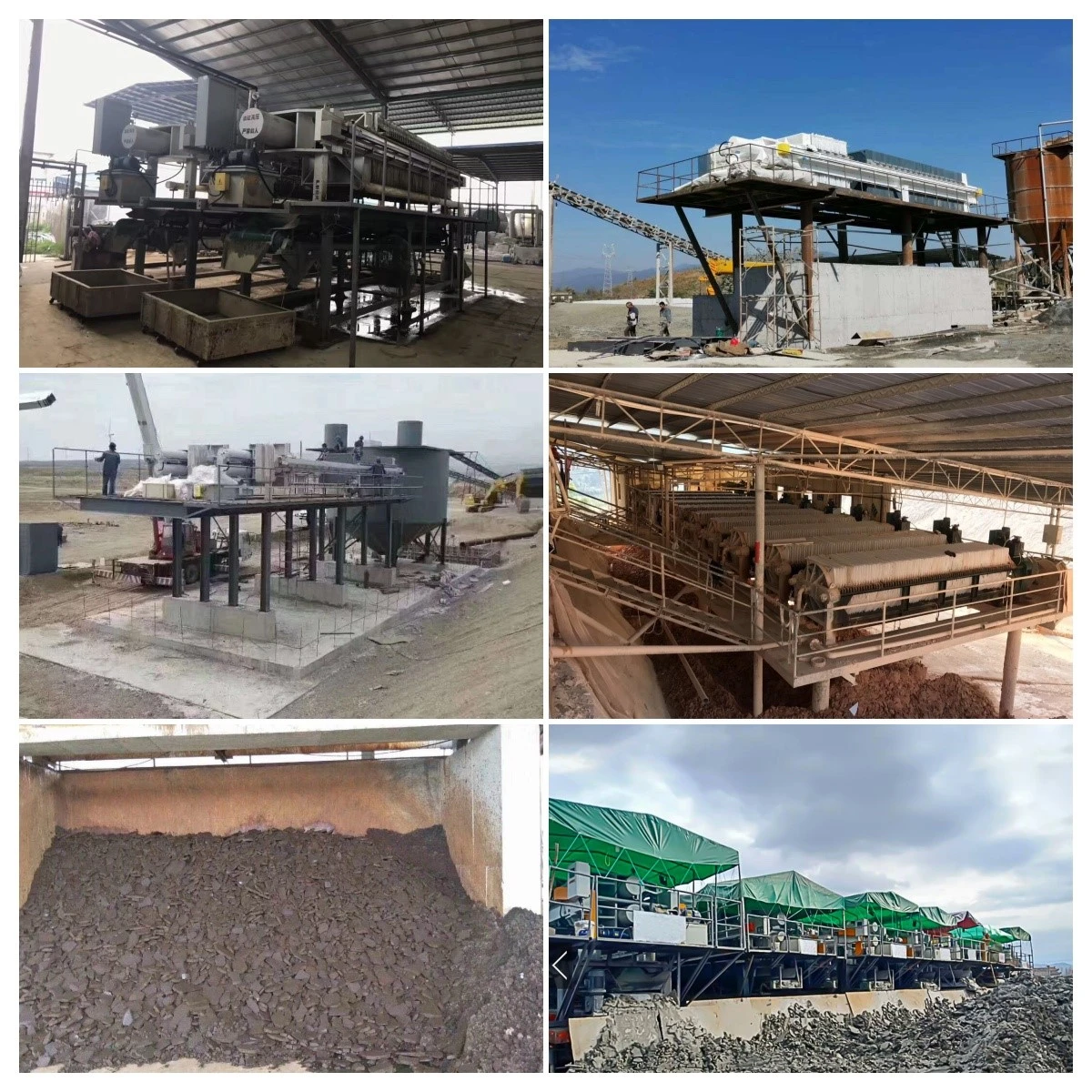
In industrial applications, filter presses are essential yet high-wear equipment. Improper use or poor maintenance can lead to reduced efficiency, frequent downtime, and increased operational costs. To ensure long-term performance and reliability, following a structured maintenance and operation strategy is crucial. Below are key guidelines designed to help you get the most out of your filter press system.
1. Pre-Operation Inspection and Maintenance
* Hydraulic and Mechanical Systems:
Before starting the filter press, all systems must undergo full inspection and test runs. Ensure that mechanical components are well-lubricated and that hydraulic oil levels and pressure meet the recommended specifications. It's advised to replace hydraulic oil and clean the system annually. Pressure settings in the hydraulic station should remain below the maximum cylinder pressure but above the minimum required for effective filtration.
* Filter Plates and Cloths:
Ensure the correct number of filter plates is in place before startup. Before feeding begins, inspect the alignment of filter plates and the condition of the filter cloths. Plates should be tightly packed and aligned after cake discharge to avoid uneven pressure or deformation.
2. Proper Operation During Filtration
* Control Filtration Parameters:
Only begin filtration once the system reaches stable operating conditions. Strictly monitor filtration pressure and temperature. Avoid feeding materials with foreign particles that could damage the cloth or plate surfaces. After each cycle, thoroughly clean the filter plates and cloths to remove residual cake, which could lead to improper sealing or plate warping.
* Safe Plate Handling:
When moving filter plates, apply even force to prevent damage to sealing surfaces and plate handles. Mishandling can lead to leakage and reduced filtering efficiency.
3. Consumables Care and Valve Operation
* Filter Cloth Maintenance:
Regularly inspect filter cloths for signs of wear or clogging. If filtration performance drops, clean the cloths with a mild acidic or alkaline solution, depending on the type of contaminant. Replace cloths that cannot be restored through cleaning.
* Valve Operation Best Practices:
Follow a strict sequence when operating slurry, washing, and compressed air valves. During membrane squeezing, ensure that air pressure does not exceed the maximum filtration pressure to avoid equipment damage.
Final Thoughts
Implementing a proactive maintenance routine and following standard operating procedures will not only prolong the life of your filter press but also improve productivity and reduce downtime. Whether you're working in mining, chemical processing, food production, or wastewater treatment, these best practices are essential to keeping your filtration system running at peak performance.