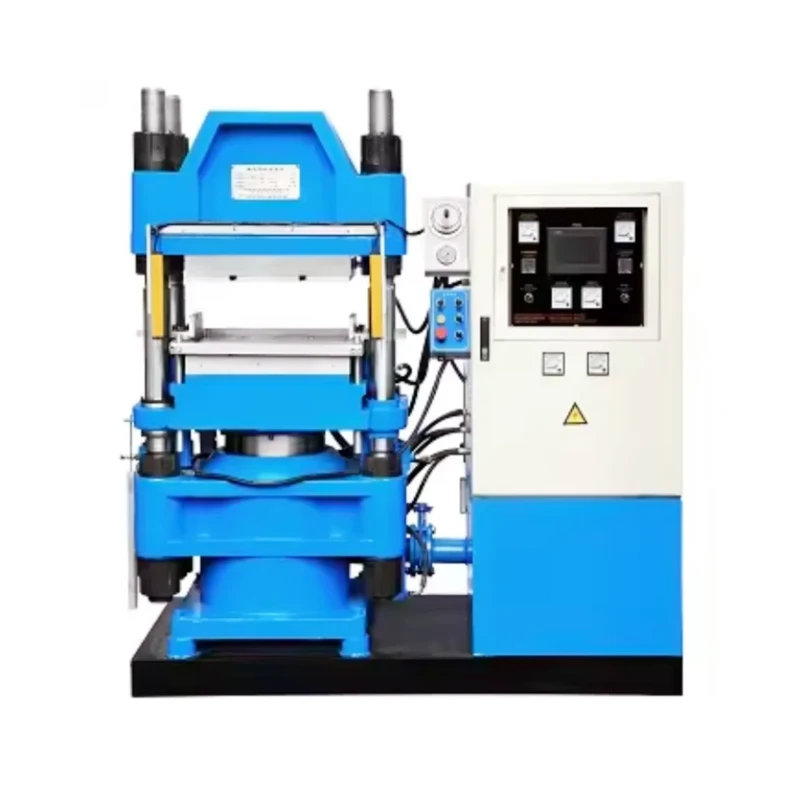
Vulcanisation is a chemical process that transforms rubber (or other sulphur-containing vulcanisable materials) from a linear structure to a three-dimensional mesh structure, as detailed below:
1. Preparation before vulcanisation
Raw material preparation: The main material is raw rubber. The raw rubber molecule is a long chain-like structure connected by many repeating units, which has good elasticity and plasticity, but poor physical properties and chemical stability. It is also necessary to prepare additives such as vulcanising agents (most commonly sulphur), accelerators, and activators. Accelerators speed up the vulcanisation reaction, and active agents enhance the activity of the vulcanising agent. For example, zinc oxide is a commonly used active agent that interacts with the sulphur and accelerator to improve the efficiency of the vulcanisation.
Mixing: The raw rubber is mixed with the vulcanising agent, accelerator, active agent, and other additives (e.g., fillers, antioxidants, etc.) in a mixing device (e.g., a compactor or opener). This process is like mixing the various ingredients when making a cake, the purpose is to make the various components evenly dispersed in the rubber to ensure that the vulcanisation reaction can be carried out evenly.
2. Vulcanization reaction stage
Reaction initiation: The vulcanization reaction begins when the rubber is mixed under certain temperature and pressure conditions. Under the action of the accelerator and the activator, the vulcanizing agent sulfur (S₈) first undergoes a ring-opening reaction to generate active sulfur molecules (such as diatomic sulfur S₂). This process is like a complex lock being opened, and the sulfur molecules are transformed from a relatively stable ring structure to a small molecule structure with higher activity, preparing for the subsequent reaction with the rubber molecules.
Cross-linking reaction: The active sulfur molecules react with the double bonds (C=C) in the rubber molecular chain to form sulfur bridges (-S-S-), connecting different rubber molecular chains. This is like using a small bridge to connect the originally independent rubber molecular chains into a huge three-dimensional network structure. Taking natural rubber as an example, the isoprene unit of its molecular chain contains double bonds, and the sulfur atoms are connected to the positions of these double bonds. As the cross-linking reaction proceeds, the properties of the rubber gradually change.
Continuous expansion of the reaction: The cross-linking reaction continues, and more and more rubber molecular chains are connected. This process leads to an increase in the elastic modulus and hardness of the rubber, and significantly improves properties such as tensile strength and wear resistance. In addition, due to the formation of a three-dimensional network structure, the relative sliding between rubber molecular chains becomes difficult, thereby reducing the plastic deformation of the rubber.
3. Treatment after vulcanisation
Cooling and shaping: After the vulcanisation is completed, the rubber product needs to be cooled to fix its shape. This is because in the high-temperature vulcanisation process, the rubber is in a relatively soft state, and cooling can stabilise its internal molecular structure and maintain its shape and properties after vulcanisation.
Quality testing: Various quality tests are carried out on the vulcanised rubber products, including physical property tests (e.g., hardness, tensile strength, tear strength, etc.) and appearance inspections (e.g., whether there are any defects such as air bubbles, cracks, etc.). Only products that meet the quality standards can enter the market or be used for subsequent processing.
The vulcanisation process is very important in the rubber industry. Through vulcanisation, rubber is transformed from a soft, easily deformable material into a practical material with high elasticity, high strength, and good abrasion resistance, which is widely used in tyres, seals, hoses, and many other fields.