


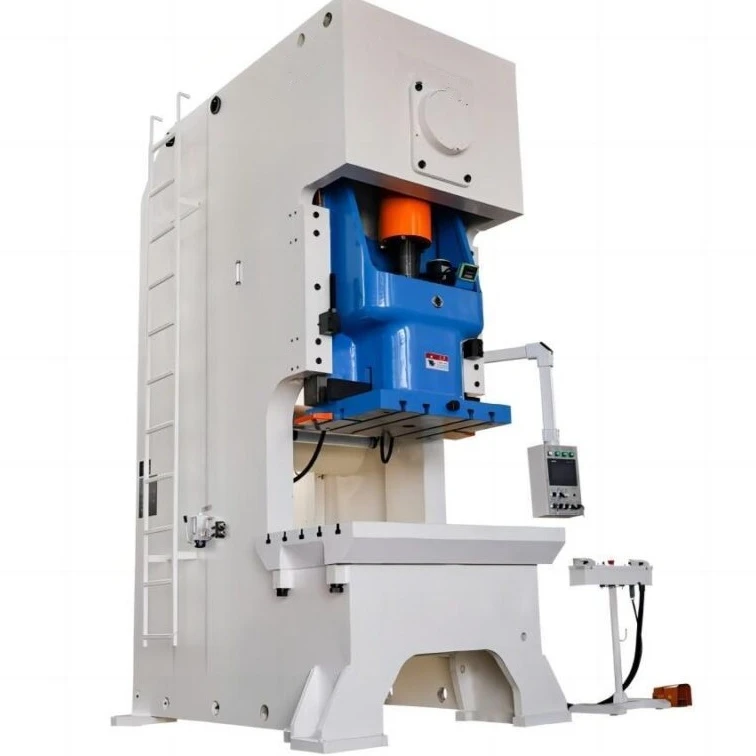
Pneumatic vs. Mechanical Press: A Detailed Comparison
1. Power and Force
Pneumatic Presses: These presses offer moderate force that is best suited for lighter materials such as plastics, rubber, and thin metals. The force is adjustable based on air pressure.
Mechanical Presses: These machines are capable of exerting far higher force, making them suitable for heavy-duty applications, such as metal stamping, forging, and punching thicker materials.
2. Speed and Efficiency
Pneumatic Presses: Pneumatic presses generally offer faster cycles, making them ideal for high-speed applications like assembly line work. However, they may not provide the same consistency and durability for long-term, heavy-duty use.
Mechanical Presses: Mechanical presses are slower than pneumatic presses but provide more precise and repeatable performance. They are better for tasks requiring high accuracy and heavy force.
3. Precision and Control
Pneumatic Presses: These presses offer good precision for applications that don't require extreme accuracy. However, due to their reliance on air pressure, they might not be as precise as mechanical presses for certain tasks.
Mechanical Presses: Mechanical presses offer superior control and precision, especially in applications involving intricate shapes and thicker materials. They are the preferred choice for industries that demand consistent, repeatable results.
4. Cost and Maintenance
Pneumatic Presses: Pneumatic presses are generally more affordable and easier to maintain. Since they operate using compressed air, there are fewer moving parts compared to mechanical presses, which reduces wear and tear.
Mechanical Presses: While mechanical presses are more expensive, they provide greater longevity and reliability for high-intensity operations. However, maintenance can be more complex due to the additional mechanical components, such as flywheels and gear mechanisms.
5. Applications
Pneumatic Presses: Ideal for light- to medium-duty applications like bending, forming, and punching thin materials, plastics, or non-metallic components. These presses are also favored for assembly line work that requires speed and moderate precision.
Mechanical Presses: Best suited for heavy-duty applications that demand high force and precision, such as metal stamping, punching, and deep drawing. These presses are widely used in industries like automotive manufacturing and metalworking.
While both pneumatic presses and mechanical presses offer valuable benefits, they differ significantly in terms of force generation, speed, cost, and ideal applications. Here's a comprehensive comparison of both types of presses:
| Feature | Pneumatic Press | Mechanical Press |
|---|---|---|
| Force Generation | Relies on compressed air for force; suitable for lighter tasks. | Utilizes flywheel and crank mechanisms to generate high force; ideal for heavy-duty tasks. |
| Speed | Faster cycle times for light-to-medium applications. | Slower compared to pneumatic presses, but suitable for heavy-duty tasks. |
| Cost | Generally more affordable and cost-effective. | More expensive due to its complex mechanisms and high-force capabilities. |
| Precision | Offers less precision compared to mechanical presses. | High precision and consistency in force delivery, ideal for high-volume tasks. |
| Applications | Suitable for light to medium-duty tasks (e.g., punching, forming). | Best for heavy-duty tasks such as deep drawing, high-volume stamping, and large metal forming. |
| Durability | Lightweight and less durable than mechanical presses. | Highly durable and built to handle high-volume production and heavy tasks. |
| Maintenance | Easier to maintain and less expensive to repair. | Requires more maintenance due to the complex components and high-force operations. |
Which Press is Right for You?
The decision between a pneumatic press and a mechanical press largely depends on the specific needs of your business. Here are some points to consider:
Choose a Pneumatic Press if: You need a press for lighter tasks, faster cycles, frequent adjustments, and flexibility in force. Pneumatic presses are ideal for smaller-scale production runs, assembly work, and applications that don't require extreme force.
Choose a Mechanical Press if: You are working in an industry that demands heavy-duty production, high precision, and high force. Mechanical presses are perfect for large-scale manufacturing, stamping, deep drawing, and other demanding tasks that require both durability and precision.
In conclusion, both pneumatic and mechanical presses offer unique benefits depending on your specific needs. By understanding the differences and advantages of each, you can make an informed decision that will optimize your production process, reduce costs, and improve your operational efficiency.


